Your forage at a glance
Icon Fourage
Diploid perennial ryegrass

RGT MOXIE

A high-yielding perennial ryegrass for early spring growth and winter resilience
Strengths

Early-season advantage driven by a +0 days heading date, providing critical feed when dry stock and dairy systems need it most.

Semi-upright growth habit that promotes good ground cover while allowing legumes and herbs to thrive, supporting a more diverse, high-protein pasture.

High tiller density creates a dense, load-bearing sward that minimises winter pugging damage and accelerates recovery after wet conditions.

FEATURES AND BENEFITS

RGT Moxie is a high-performing diploid perennial ryegrass designed for New Zealand farmers who prioritise reliable feed through winter and the early spring wedge.

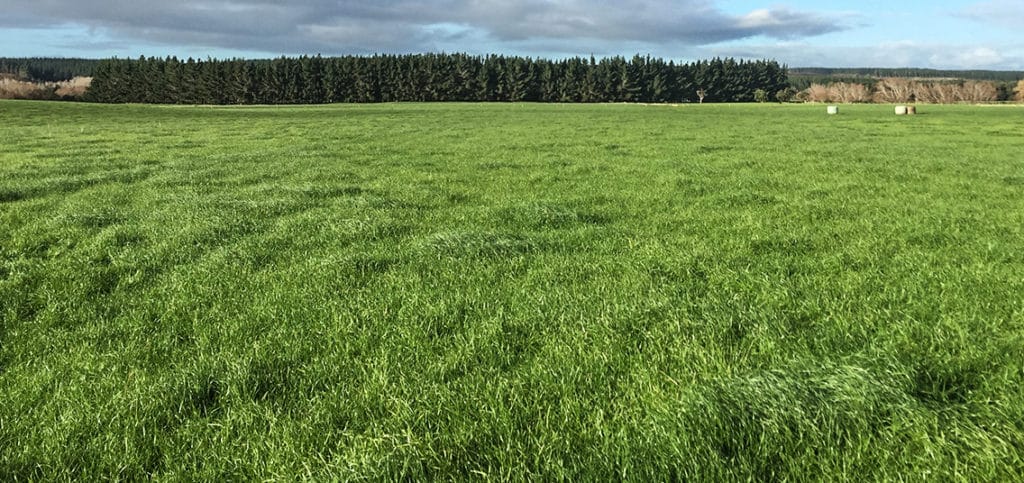
With its +0 days heading date, Moxie delivers a clear early-season advantage, pushing feed ahead of later-heading cultivars to reduce reliance on supplements. Its high tiller density creates a robust, resilient sward that withstands intensive grazing and helps prevent muddy patches during the cooler months.

Purpose-bred for local systems, RGT Moxie’s semi-upright growth habit supports a well-balanced pasture, allowing companion species such as clovers and herbs to flourish. The result is a durable, long-term pasture base that underpins strong animal performance and improved whole-farm profitability.

FARM SUITABILITY

RGT Moxie  is a very productive diploid perennial with high yields, including exceptional winter growth.

EXCEPTIONAL WINTER AND EARLY-SPRING PRODUCTION

A top performer for cool-season growth, RGT Moxie provides a reliable feed supply through winter and early spring, making it well suited to intensive dairy and dry stock systems.


MAINTAIN A BALANCED SWARD WITH THE RIGHT RYEGRASS RATE

Recommended sowing rate: 20 kg/ha. Adjust this rate based on your sowing method and companion species. For improved pasture resilience, consider adding RGT Tenderly cocksfoot.

PEST PROTECTION TAILORED TO YOUR SYSTEM

Available with AR1 or LE endophytes, so you can select the best fit for your local insect pressure, farm system, and animal performance goals.

YOU MIGHT ALSO BE INTERESTED IN…

Companion species
Companion species
Companion species
Companion species