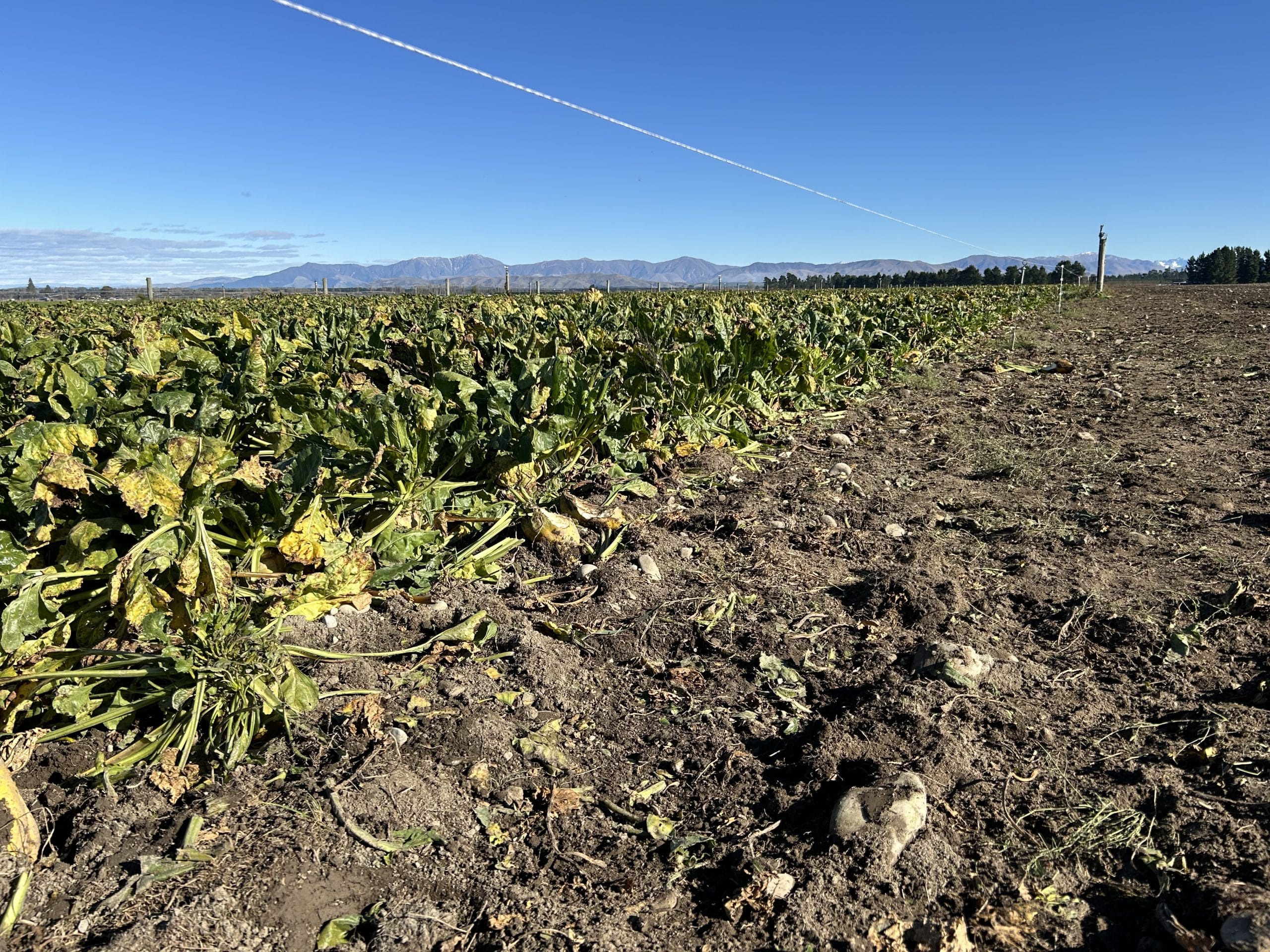
Getting a clear understanding of fodder beet yield before feeding begins makes a significant difference to how well the crop is utilised. It helps set accurate daily allocations and supports a smoother, more controlled transition onto the crop.
This is particularly important during the transition period. Fodder beet contains high levels of rapidly fermentable sugars, so allowing the rumen time to adjust is essential to reduce the risk of acidosis and maintain animal health.
To do this effectively, an accurate yield estimate is required.
Several factors can influence yield calculations, so it is important to measure carefully. One of the main variables is dry matter percentage (DM%). It is strongly recommended to send a representative sample to a feed laboratory rather than relying on visual estimates.
On a high-yielding crop, even a 1% variation in DM% can change yield estimates by approximately ±2 tonnes of dry matter per hectare (TDM/ha), which can have a significant impact on allocation decisions.
DM% itself can vary depending on:
• Soil type
• Climate
• Planting date
• Irrigation rate and frequency
Once a reliable yield estimate has been established, daily allocation can be confidently planned and adjusted to suit stock class and demand.
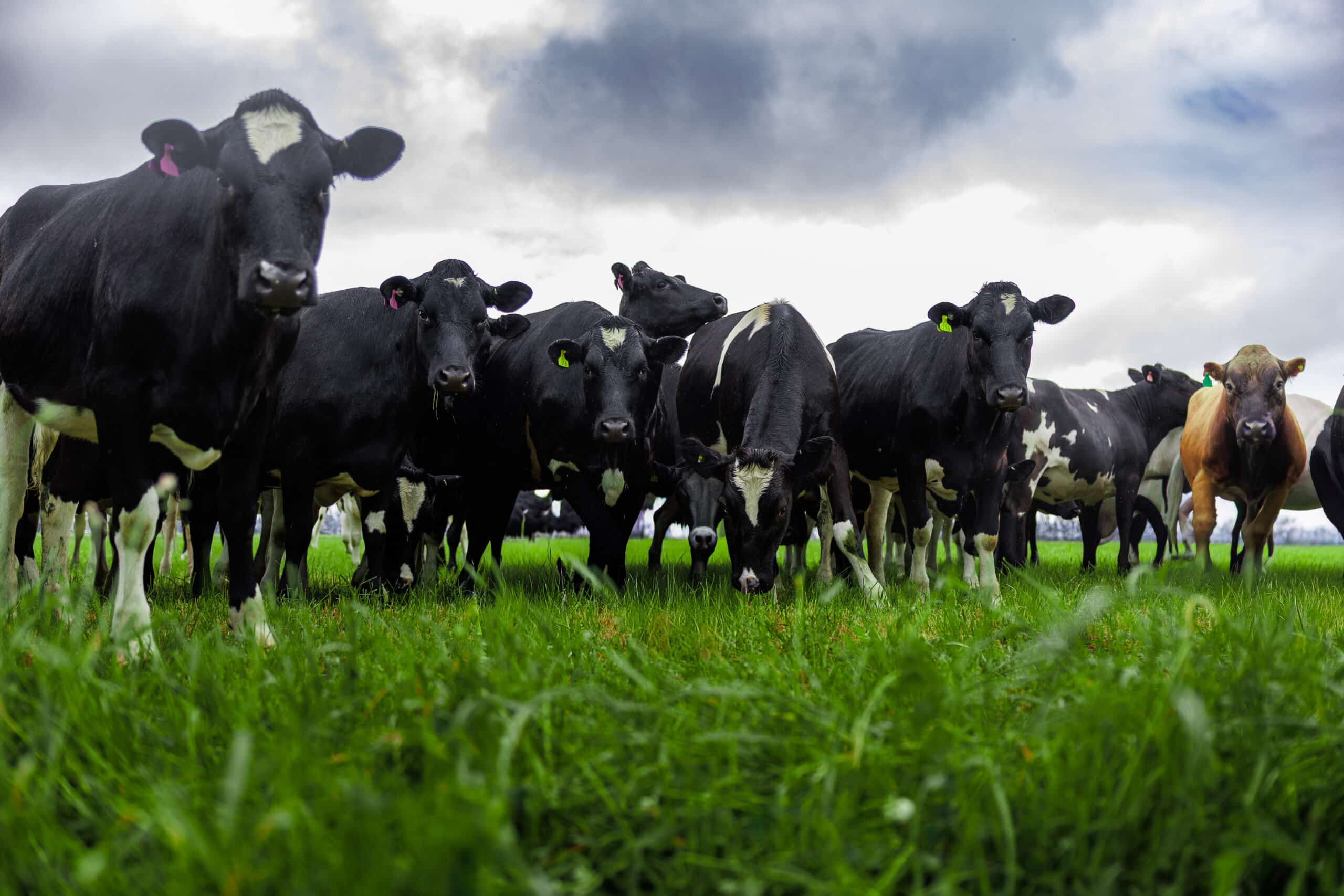
Transitioning stock onto fodder beet should occur over a minimum of three weeks to allow rumen adaptation. Stock should already be familiar with the crop before measured breaks begin, and break sizes should be sufficient to allow all animals access at the same time.
For R2 cattle:
• Start at 1kg DM/ha/day
• Lift by 1kg DM/ha/day every second day
• Only increase once the whole mob is cleaning up
For R1 cattle:
• Start at 0.5kg DM/ha/day
• Lift by 0.5kg DM/ha/day every second day
Before feeding fresh beet, put out a supplement like pasture or silage for 2–3 hours. This helps take the edge off and reduces the risk of gorging.